Massachusetts has maintained historically high measles vaccination rates, resulting in rare cases of this contagious disease. Although the risk remains low in our state, two measles cases were reported in February 2026 – one adult and one child, both of whom were infected while traveling out of state. Previously, there had been only one measles case in the prior five years.
In contrast, measles cases have been increasing in other areas of the country where vaccination rates are lower. According to the Centers for Disease Control and Prevention (CDC), as of March 12, 2026, 1,362 measles cases were reported in the United States in 2026. With spring and summer travel on the horizon, we’re sharing what you need to know about measles and how to protect youself and your family.
What exactly is measles?
Measles (also called rubeola) is a very contagious infection caused by a virus. It spreads easily when a sick person coughs or sneezes, and the virus can stay in the air for up to two hours after that person leaves the room. Because it moves from person-to-person so quickly, almost anyone who is not protected can catch it if they are near someone who has it.
What are the symptoms?
Measles symptoms often begin with what seems like a common cold. Early symptoms may include a high fever, a runny or blocked nose, sneezing, a cough, and eyes that are red, sore, or watery. Small white spots can also appear inside the cheeks or mouth a few days after the first symptoms.
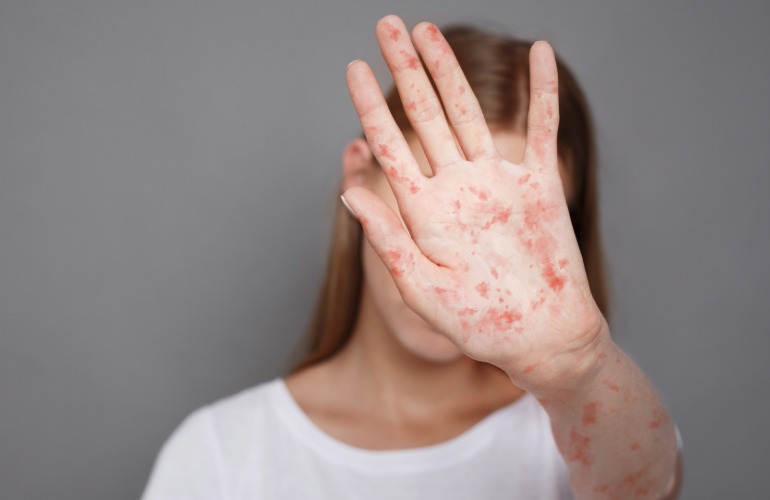
A rash usually appears a few days after the first symptoms. It often starts on the face before spreading down the body. The spots can blend together and form larger, blotchy areas. Some people may also have a loss of appetite, tiredness, or stomach upset.
Risks and complications
The CDC states that people who are unvaccinated are at the highest risk for measles, particularly children under age five, infants too young for vaccines (less than 12 months), pregnant people, and immunocompromised individuals.
Common complications in children include ear infections and diarrhea. More serious complications can involve pneumonia and encephalitis, which is swelling of the brain. Approximately 1 in 5 unvaccinated people in the U.S. who contract measles will require hospitalization. A very rare but potentially fatal long-term complication of the disease is subacute sclerosing panencephalitis (SSPE), a disorder affecting the central nervous system. This condition results from a measles virus infection acquired earlier in life.
Treating measles
There is no approved medication to cure measles. Care focuses on symptom relief and helping the body fight the infection. This usually means getting plenty of rest, drinking enough fluids, and taking over-the-counter medicine to help with fever or discomfort.
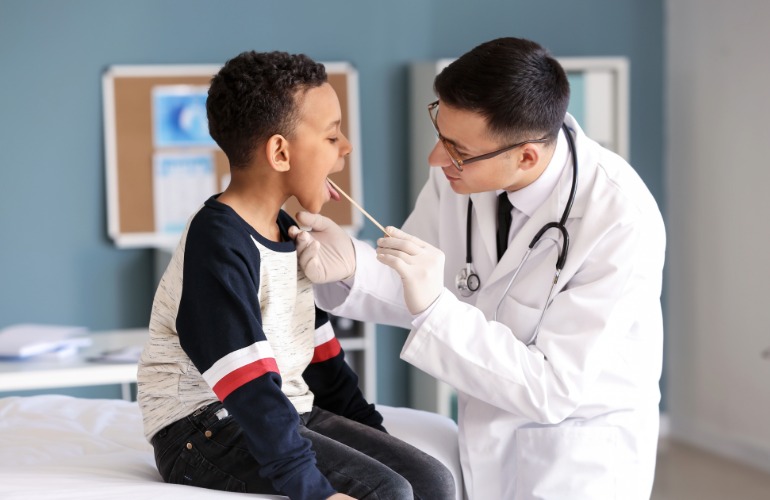
If you think you or your child might have measles, it is important to call your healthcare provider right away so they can confirm the diagnosis.
How to stop the spread
The best way to prevent measles is to get the measles vaccine, which is usually given as part of the MMR shot. This vaccine helps protect you from getting the infection and also helps protect the people around you.
You can also help stop the spread of measles by staying home if you are sick. Measles can spread from several days before the rash appears to several days after. Because of this, keeping your distance from others is very important if you think you might have it.
Washing your hands often, covering your mouth when you cough or sneeze, and avoiding close contact with others who are sick can also help reduce the spread.
Stay in touch with the conversation, subscribe to the RSS feed for comments on this post.