Recently, we have all seen how terrible natural disasters can strike at a moment’s notice. According to the Centers for Disease Control and Prevention (CDC), creating an Emergency Action Plan can really make a difference in a crisis. Below are some simple actions you can take to safeguard the health of you and your loved ones.
Stay prepared
Although we can’t stop disasters from happening, we can be ready for when they occur. Taking these key steps will help you be prepared for a disaster affecting your home.
- Plan where you will stay in case you need to evacuate your home.
- Make a note of where ERs and urgent care centers are found near your home and your evacuation route. Also do this for dialysis centers, hemophilia treatment centers and veterinarians, if needed.
- Note that many evacuation shelters will not accept pets. Look for shelters that will accept animals or local relief organizations and rescue groups. Make sure your pets are microchipped.
- Teach your family members practical skills, such as how to use a generator safely. Make them aware of post-disaster health hazards, such as carbon monoxide poisoning.
- Check the batteries in your carbon monoxide (CO) detectors regularly.
Safeguard important information
A fire, flood or other natural disaster can quickly destroy important family records and other information. This is why you should store vital records in a waterproof and fire-proof safe at home. Make digital copies of your records that you can store offsite or in a cloud backup. Be sure to protect all the information listed below:
- Copies of insurance cards and medical records such as vaccination cards
- Vital records such as birth and death certificates, passports, last wills and testaments, driver’s licenses, and Social Security cards
- Advance directives (behavioral health, living wills and power of attorney forms)
- Care plans for lung disease, food allergies, cancer survivorship, and allergic reactions if needed
- Any emergency care plans for children with special healthcare needs
Stay informed
If you are not already receiving them, sign up for local emergency alerts and notifications. You can do this by turning on the wireless emergency alerts feature on your smartphone.
If you have children, ask your child’s school or daycare for a copy of their emergency evacuation, parent communication, and family reunification plans. Always stay up-to-date in an emergency. If you have to evacuate, check the following before leaving:
- CDC travel notices
- Designated evacuation zones and routes
- Local weather/air quality forecasts
Bring emergency supplies
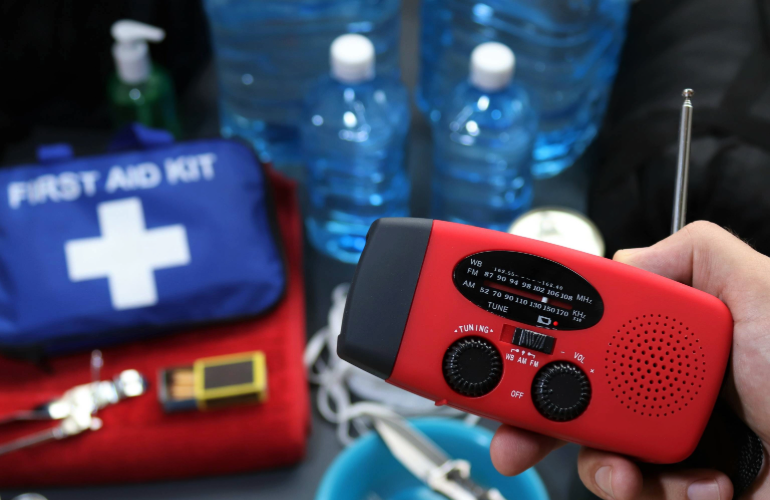
Below are some of the items you may need in a crisis. Making a list of what you may need is always a good idea. Consider making an emergency kit that you can take with you on short notice. It should include specific items you might need, including:
- Electronics such as a phone charger, flashlight and battery-operated radio.
- Emergency food and water supplies – this should include any special items for those with medical issues such as food allergies or diabetes.
- Prescription medicines and home medical devices such as a blood sugar monitor.
- A first-aid kit and any needed medical supplies
- Food and other items needed for pets
Stay in touch with friends and family
- Create an Emergency Action Plan. This should include important phone numbers and at least two emergency meeting places where your family can reunite if separated. A template developed by the CDC can be found here.
- Have multiple ways to communicate with friends, family, caretakers, and your out-of-town contacts during a crisis.
- Keep in mind that text messages will often go through when a phone call won’t.
Remember that during a natural disaster, it may be very difficult to get even simple items for your personal and medical needs. This problem could last for many days. That’s why it’s so important to be prepared. So be sure to make an Emergency Action Plan. You never know when you might need it!
Stay in touch with the conversation, subscribe to the RSS feed for comments on this post.