By Dr. Bradley Switzer
Chief of Hematology/Oncology
March is Colorectal Cancer Awareness Month, but it’s always a good time to be more aware of the dangers of colon cancer. Deaths of Hollywood stars such as Chadwick Boseman (age 43) and, more recently, James Van Der Beek (age 48) have shown that colon cancer is affecting more people and, at younger ages. In fact, colon cancer is now the leading cause of cancer death in Americans younger than 50.
While most people with colon cancer are diagnosed after age 50, the rising incidence of colon cancer in young Americans is truly alarming. A 2026 American Cancer Society report showed that cases were rising 3% annually in young adults even as mortality for other types of cancers declined. That’s why the United States Preventative Services Task Force now recommends screening for colon cancer start at age 45 for average-risk patients.
One of the reasons why screening is so important is that early colorectal cancer is very hard to detect without a test or exam. This means that by the time you notice any symptoms, the cancer may have spread. As a colon cancer tumor grows, it may bleed and/or obstruct the colon causing a variety of symptoms. In some cases, blood loss from the cancer leads to anemia (a low number of red blood cells) causing symptoms such as weakness, excessive fatigue, and shortness of breath.
The warning signs of colorectal cancer might include:
- Bleeding from the rectum without other explanations
- Blood in the stool or in the toilet after having a bowel movement
- Dark or black stools
- A change in bowel habits or the shape of the stool (i.e., more narrow than usual)
- Cramping or discomfort in the lower abdomen
- An urge to have a bowel movement when the bowel is empty
- Constipation or diarrhea that lasts for more than a few days
- Decreased appetite
- Unintentional weight loss
Ways to Screen for Colon Cancer
A colonoscopy is considered the “gold standard” for detecting colon cancer. At Reliant, our patients typically have their colonoscopies at our state-of-the-art Endoscopy Center located in Auburn. During the exam, a tiny camera on a flexible tube transmits images inside of the colon to discover any abnormalities such as precancerous polyps or cancer. If your screening is normal, you may be able to wait ten years before having another one
For average risk patients, your provider may suggest stool-based screening tests like Fecal Immunochemical Test (FIT) or Cologuard which do not require an exam. A patient collects their own stool sample, inserts it into a container with a preservative, and sends it to the lab for testing. These home tests look for blood and/or DNA markers associated with colorectal cancer. Since screening is so important, if you decide against getting a colonoscopy you should strongly consider a home screening test.
It’s important to follow your health care provider’s recommendations carefully on colon cancer screening. Everything from your age to your family history and prior health issues play a role in how often you need to be screened and the method used. The important thing is to make sure you have a proper colorectal cancer screening. Please don’t put it off – it could save your life!
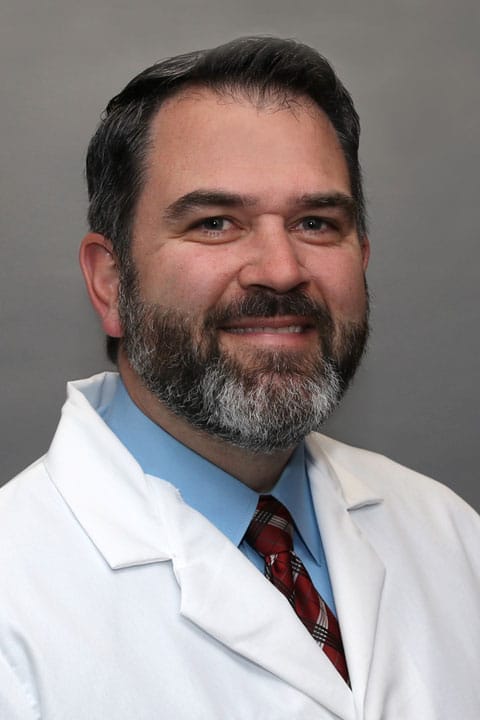
About Bradley Switzer, MD- Chief of Hematology/Oncology
Even though his father passed away at a young age from cancer, Dr. Bradley Switzer says his interest in medicine mostly came when he was an undergraduate student at USC. “One of my teachers, a physiologist, had a big interest in cancer and I wound up being fascinated by the science of it,” he explains. “After I graduated, I did some research work but ultimately decided that I needed to go to medical school. I did enjoy doing research...
View profile View posts by this doctorStay in touch with the conversation, subscribe to the RSS feed for comments on this post.