By Lori Connors, PsyD
Department of Behavioral Health
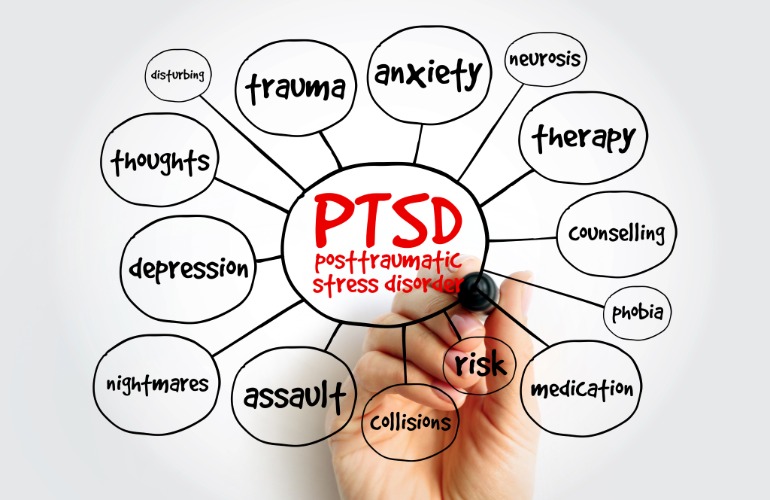
Post-traumatic stress disorder, or PTSD, is a mental health condition. It can happen after a person goes through or witnesses a very scary or dangerous event. These events are called traumatic events. They can make a person feel afraid, helpless, or unsafe.
Examples of traumatic events include physical or verbal abuse, serious accidents, natural disasters like hurricanes, or violence. Some people may also develop PTSD after being very sick or seeing someone else get hurt. However, not everyone who experiences trauma develops PTSD.
How PTSD Starts
After a scary event, it is normal to feel upset, worried, or scared for a short time. Many people have trouble sleeping or feel unsettled for a few days or weeks. These are normal reactions.
But PTSD is different. For someone to have PTSD, their symptoms must last longer than one month and make it hard to live their daily life. Some people start to feel symptoms soon after the event. Others may not notice symptoms until months or even years later.
Common Symptoms of PTSD
PTSD symptoms can show up in different ways. They are often grouped into four main types:
- Reliving the Event
People with PTSD may feel like the event is happening again. This can include:
- Scary memories that pop up without warning
- Nightmares about the event
- Flashbacks, which can feel very real
Even something that may seem insignificant, like a sound or smell, can trigger these feelings.
- Avoiding Reminders
People may try to stay away from anything that reminds them of the trauma. This can include:
- Avoiding places or people
- Not talking about what happened
- Blocking out thoughts or feelings
While this may feel helpful at first, it can make daily life harder over time.
- Changes in Mood and Thinking
PTSD can affect how a person feels and thinks. They may:
- Feel sad, angry, or scared most of the time
- Lose interest in things they once enjoyed
- Feel alone or disconnected from others
- Have trouble remembering parts of the event
- Believe things like “the world is not safe” or “I am to blame”
Some people may find it hard to feel happy at all if they have PTSD.
- Feeling on Edge
People with PTSD may feel alert or tense all the time. They might:
- Have trouble sleeping
- Get startled easily
- Feel irritable or have angry outbursts
- Have trouble focusing
- Act in risky ways
These symptoms can make school, work, or relationships very difficult.
Other Experiences
Some people with PTSD may feel like things are not real. This is called derealization. Others may feel like they are outside of their body, which is called depersonalization. These feelings can be confusing and scary but are part of how the brain reacts to trauma.
Who Can Get PTSD?
Anyone can develop PTSD. A person’s age, background, or culture does not matter. In the United States, about four out of every 100 adults have PTSD, and about eight out of 100 teens may experience it.
Some people are more likely to develop PTSD. Risk factors include:
- Past trauma, especially in childhood
- Going through multiple traumatic events
- Not having support from others
- Living in stressful conditions
Even so, PTSD is not anyone’s fault. You should not blame yourself for having PTSD.
Getting Help and Treatment
The good news is that PTSD is treatable. Many people get better with time and the right support.
Support from Others is Important
Some people feel better by talking to:
- Family members
- Friends
- Trusted adults or community leaders
Having someone to listen and support you can make a big difference.
Trauma-focused Treatment
Mental health professionals can help people work through trauma. This can involve talk therapy, written exposure therapy, cognitive processing therapy, eye movement desensitization and reprocessing (EMDR), and prolonged exposure therapy. It can help people:
- Understand their feelings
- Learn ways to cope
- Feel more in control
Some therapies gradually help people face their memories in a safe manner so they become less scary over time.
Medication for PTSD
Doctors may give medication to help with:
- Anxiety
- Depression
- Trouble sleeping
Taking medication can make it easier for people to take part in therapy and feel more stable.
Other Helpful Activities
In addition to therapy and medicine, some people feel better with:
- Exercise or yoga
- Spending time with pets
- Relaxation techniques like deep breathing
- Support groups with others who have had similar experiences
These activities can help reduce stress and build strength.
Why Early Help Matters
Getting help early can make recovery faster and easier. PTSD can affect school, work, and relationships if it is not treated. But with the right care, people can heal and live full, healthy lives.
Important Things to Remember
- PTSD can happen after a very scary or harmful experience
- Not everyone who experiences trauma will develop PTSD
- Symptoms can affect thoughts, feelings, and behavior
- PTSD is not a sign of weakness
- Help is available, and recovery is possible
If you or someone you know is struggling after a traumatic event, it is important to reach out for help. If you believe you or a family member has a problem with PTSD or any other mental health concern, the Behavioral Health department at Reliant is here to help. Please visit our website to learn more about the services we offer. A referral from a primary care provider (PCP) is required for treatment. Please talk to your PCP or call us at (508) 856-0732 for more information.
About Lori Connors, PsyD
Learn more about Behavioral Health at Reliant
During college, Dr. Lori Connors initially thought she was going to be a pediatrician but enjoyed her psychology classes so much that she ultimately decided to become a behavioral therapist.
Some of the typical problems that Dr. Connors treats in her practice include...
View profile View posts by this doctorStay in touch with the conversation, subscribe to the RSS feed for comments on this post.