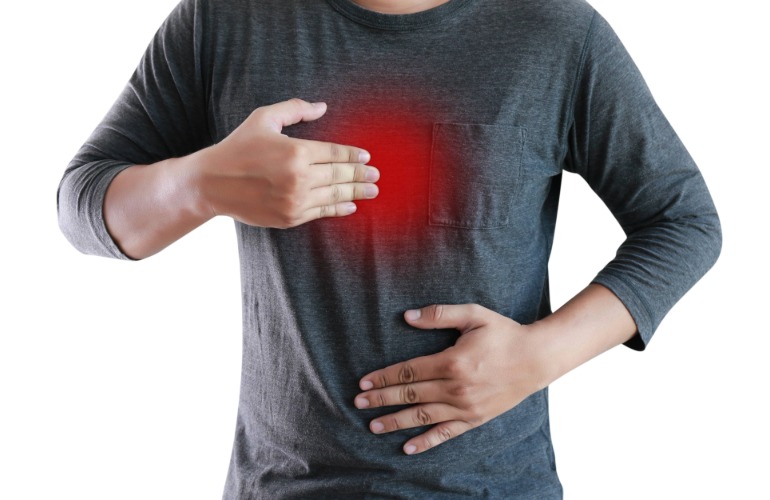
Almost all of us have experienced a burning feeling in our chest after eating a big meal. This is called heartburn, also known as acid reflux. It happens when stomach acid flows up into our esophagus—the tube that carries food from our throat to our stomach.
For many people, heartburn only happens every so often, such as after a very big or spicy meal. But if it becomes a frequent problem, it’s something you shouldn’t ignore.
Heartburn usually falls into one of two types:
- Occasional Heartburn
This happens every once in a while, not every day. It can be triggered by eating spicy or greasy food or drinking too much alcohol. It is uncomfortable but usually not serious. - GERD
If heartburn occurs more than twice a week for several weeks, or if food comes back up into your throat, you may have GERD (Gastroesophageal Reflux Disease). Over time, this influx of stomach acid can damage your esophagus. So if you think you have GERD, talk to your doctor.
Do You Need Medication?
For mild or occasional heartburn, over-the-counter medications are probably the best option. You can find relief with:
- Antacids
These medicines, such as Tums or Rolaids, work fast. They neutralize stomach acid and are good for quick relief of heartburn. - H2 Blockers
Other products like Pepcid AC help lower acid production in your stomach. They take longer to work but last longer than antacids. Plus you don’t have to take so many of them.
If you have GERD or if other treatments have not helped, your doctor may suggest a stronger medication such as Prilosec or Nexium. These are known as PPIs (Proton Pump Inhibitors). These medicines lower the amount of acid your stomach makes. They work well, but they are not always needed.
Possible Problems with Stronger Medications
PPIs can help prevent heartburn, but using them for a long time may cause problems such as:
- Health Risks
Long-term use of PPIs has been linked to thinning and broken bones, low magnesium levels, pneumonia, kidney disease, gut infections, and other problems. - Drug Interactions
PPIs can change how other medicines work, including some blood thinners. - Higher Cost
PPIs usually cost more than antacids or H2 blockers.
Try These Simple Steps First
You may be able to eliminate or reduce the frequency of heartburn by making the following lifestyle changes:
- Watch What You Eat
Avoid foods that trigger heartburn. Common triggers for many people include spicy food, alcohol, chocolate, fatty or fried food, citrus fruits, peppermint, garlic, onion, and tomatoes. Beverages with excessive caffeine including energy drinks, coffee, soda and tea, can also cause heartburn. - Avoid NSAIDS
Common pain relievers such as Advil, Motrin, Aleve, Naproxen, Indocin, aspirin, and Voltaren are known as NSAIDS (nonsteroidal anti-inflammatory drugs). These medications can affect your stomach lining and increase the chance of heartburn. - Eat Smaller Meals
Eating too much at one meal can cause heartburn. Consuming smaller meals helps reduce pressure on the valve that prevents acid from going back into your esophagus. - Quit Smoking
Smoking and nicotine products have been shown to make heartburn worse and raise the risk of GERD. - Control Your Weight
Being overweight is a strong risk factor for heartburn. Excess pounds put pressure on your abdomen, which can cause acid to back up into your esophagus. - Wear Loose Clothing
Tight clothes or belts can put pressure on your abdomen, leading to heartburn. - Raise Your Head at Night
Using extra pillows or raising the head of your bed higher can help stop acid in your stomach from moving upward. - Avoid stooping or bending. Tying your shoes is okay. However, bending over for longer periods, especially after eating, can cause heartburn.
Talk to Your Doctor
If you have frequent heartburn and lifestyle changes don’t help, or if you are thinking about using a stronger medication, talk to your primary care provider. They can help figure out the reason heartburn is happening and help choose the safest treatment plan for you.
Stay in touch with the conversation, subscribe to the RSS feed for comments on this post.