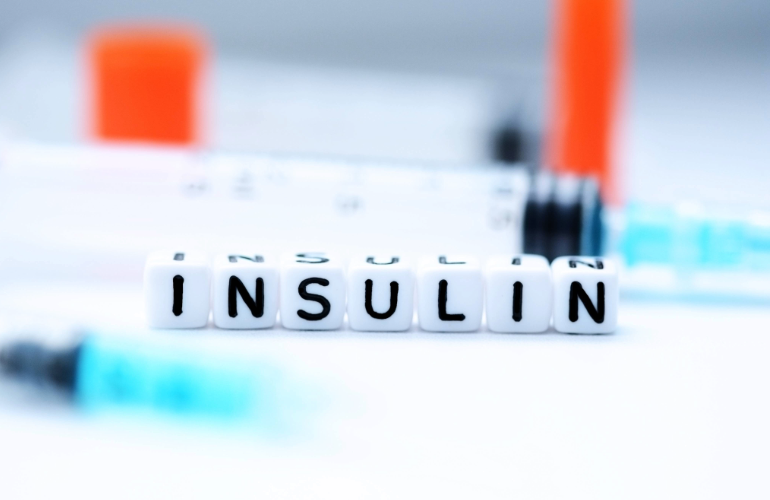
Did you know one of the most common—but most preventable—health issues is something many people don’t even realize they have?
Insulin resistance affects millions of adults and is a major driver of type 2 diabetes, yet simple lifestyle choices can make a powerful impact long before serious problems develop. In this issue, Dr. Neeraj Mahajan helps break down what insulin resistance is, why it happens, and how small, sustainable changes—like choosing whole foods or taking a short walk after meals—can keep your blood sugar in a healthy range. It’s a reminder that a little prevention today can make a big difference for your long-term health.
Q: So what exactly is insulin resistance?
Dr. Mahajan: Insulin is a very important hormone in the body. A person is insulin resistant when they fail to respond properly to insulin. They have essentially built up a tolerance to it, making it less effective. This can lead to a number of health problems.
Q: What does insulin do inside our bodies?
Dr. Mahajan: Insulin regulates our blood sugar. When we eat food, much of it is broken down into glucose, also known as blood sugar. When the glucose enters our bloodstream, it signals the pancreas to release insulin. The insulin then allows the glucose in our blood to enter our body’s cells so it can be burned for energy. Insulin also signals the liver to store glucose so that it can be used later when needed.
Q: It sounds like a very finely tuned system.
Dr. Mahajan: It is, but the system can get out of balance in some people. If there is constantly too much glucose in the bloodstream, the pancreas has to keep pumping out more and more insulin. Over time, the cells in the body stop responding properly to the insulin. This is called insulin resistance. When this happens, the pancreas has to keep putting out more and more insulin to make the body’s cells respond. Eventually even this stop working, and a person’s blood sugar starts to rise.
Q: Can this harm the body?
Dr. Mahajan: Yes, it can be harmful. Our bodies are not designed to have high blood sugar over a long period of time. It will lead first to prediabetes and eventually type 2 diabetes. This increases the risk for heart disease, stroke, kidney disease, as well as other problems.
Q: How can you find out if you are insulin resistant?
Dr. Mahajan: Signs of insulin resistance often include weight gain (especially belly fat), increased hunger/cravings, fatigue, frequent urination, increased thirst, and dark skin patches (acanthosis nigricans) or skin tags. Although many people have no symptoms until blood sugar rises, leading to headaches, blurred vision, and low energy.
If blood tests show that you have high blood glucose levels and high triglycerides, along with high LDL cholesterol and low HDL cholesterol, you probably are insulin resistant. This is why it’s important to have your blood tested at your annual checkup. It’s important to note that you do not have to be overweight to be insulin resistant. You cannot tell if someone suffers from insulin resistance just by looking at them.
Q: What do doctors recommend patients do to prevent or reverse insulin resistance?
Dr. Mahajan: There are several things’ people can do. The first step is to cut down on sugar. Try to avoid processed and ultra-processed foods, which often contain hidden added sugars. Sugary drinks like soda and fruit juice should also be limited.
Instead, focus on eating whole, natural foods with little processing—such as fish, meat, eggs, vegetables, leafy greens, hard cheeses, and whole fruits. Be mindful that starchy foods like bread and rice can raise your blood sugar quickly. Foods high in fiber are helpful because they slow down how fast carbohydrates are absorbed.
Exercise is important, too. Even a short walk after meals helps your muscles use excess glucose, which in turn lowers your blood sugar levels.
Q: What’s the best thing to do if you think you might have insulin resistance?
Dr. Mahajan: Talk to your primary care provider, who may suggest getting tested. The important thing is not to ignore your problem. Proper diet, exercise, and medication when needed can get insulin resistance under control—and help you avoid many serious health problems in the future.

About Neeraj Mahajan, MD
Dr. Neeraj Mahajan grew up in a family of physicians. “My father is a surgeon, my mother is an OB-Gyn physician, and my extended family has many doctors too,” he explains. “One of the things I learned growing up was that it was deeply important to give back to others. So, becoming a doctor seemed like a natural fit for me.”
During his medical training, Dr. Mahajan realized that Family Practice medicine suited him best. “I...
View profile View posts by this doctorStay in touch with the conversation, subscribe to the RSS feed for comments on this post.