Blood clots can be serious, but knowing the warning signs can help protect your health. Learn what causes blood clots, who may be at risk, and when to get medical help.
What Exactly is a Blood Clot?
When you get a cut, your blood forms a clot to stop the bleeding. This is a normal part of healing. But sometimes a clot forms inside a blood vessel when it is not needed. This can be dangerous.
There are two main types of blood clots:
Deep Vein Thrombosis (DVT)
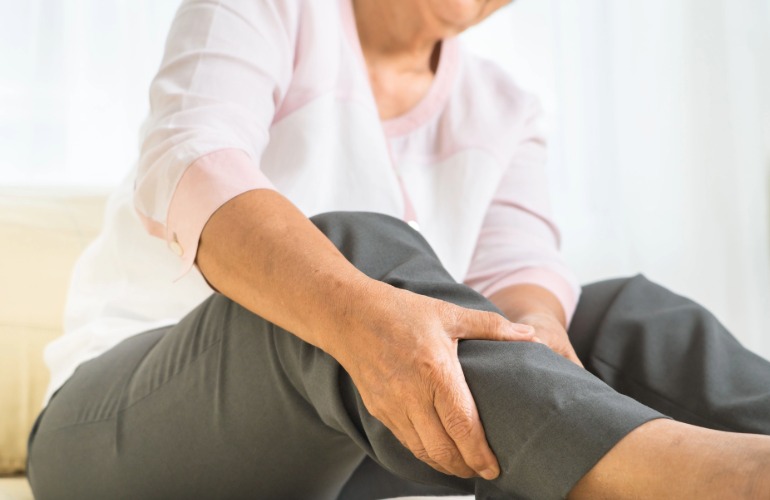
Deep vein thrombosis happens when a blood clot forms in a deep vein, usually in the leg or arm. In rare cases, it can form in other parts of the body.
Pulmonary Embolism (PE)
A pulmonary embolism is a true medical emergency. It happens when a blood clot breaks loose and travels to the lungs. The clot can block blood flow and make it hard for the body to get enough oxygen. Without quick treatment, a PE can be life-threatening.
Know the Warning Signs
Knowing the symptoms of a blood clot can help you get treatment quickly.
Symptoms of DVT may include:
- Swelling in one arm or leg
- Pain or tenderness, especially when standing or walking
- Skin that feels warm
- Red or discolored skin
- Veins that look larger or more noticeable than usual
Symptoms of PE may include:
- Sudden shortness of breath
- A fast or irregular heartbeat
- Chest pain, especially when taking a deep breath or coughing
- Coughing, sometimes with blood
- Feeling dizzy, lightheaded, or faint
- Anxiety or a feeling that something is wrong
If you have symptoms of a pulmonary embolism, get emergency medical help right away.
Who Is at Risk?
Anyone can develop a blood clot, but certain things can raise your risk. These include:
- Having recent surgery, especially joint replacement surgery
- Sitting or lying down for long periods, including during long car or plane trips
- Not being able to move around much while recovering from surgery
- Having certain health problems, such as cancer, heart disease, lung disease, or broken bones
- Taking birth control pills or hormone replacement therapy
- Being pregnant or within six weeks after giving birth
- Getting older, especially after age 40
- Having a family history of blood clots or an inherited clotting disorder
- Being overweight or having obesity
How Can You Help Prevent Blood Clots?
Simple steps may help lower your risk:
- Keep moving. If you sit for long periods, get up and walk every hour or two. If you cannot get up, stretch and move your legs and feet.
- Drink enough water. Staying hydrated helps your body function normally.
- Maintain a healthy weight. Extra weight can increase the risk of blood clots.
- Exercise regularly. Physical activity helps improve blood flow.
- Talk with your healthcare provider. If you have a higher risk of blood clots, compression stockings or medications known as blood thinners may be recommended.
Don’t Ignore the Warning Signs
If you think you may have a blood clot, don’t wait to get help! Contact your healthcare provider if you have symptoms of DVT. If you have symptoms of a pulmonary embolism, seek emergency medical care right away.
Blood clots can often be treated successfully when they are found early. Knowing the warning signs and understanding your risks are an important way to protect your health.
Stay in touch with the conversation, subscribe to the RSS feed for comments on this post.